



ICC restructure format for the 2027 ODI World Cup and 2028 T20 World Cup
The International Cricket Council (ICC) made significant changes to the format of its upcoming World Cups, aiming to “create more meaningful contests, elevate competitive standards, strengthen the competitive structure of both events, and enhance the tournament experience for athletes and fans,” as stated in their official press release. The landmark decision came at the ICC’s Annual General Meeting in Edinburgh.
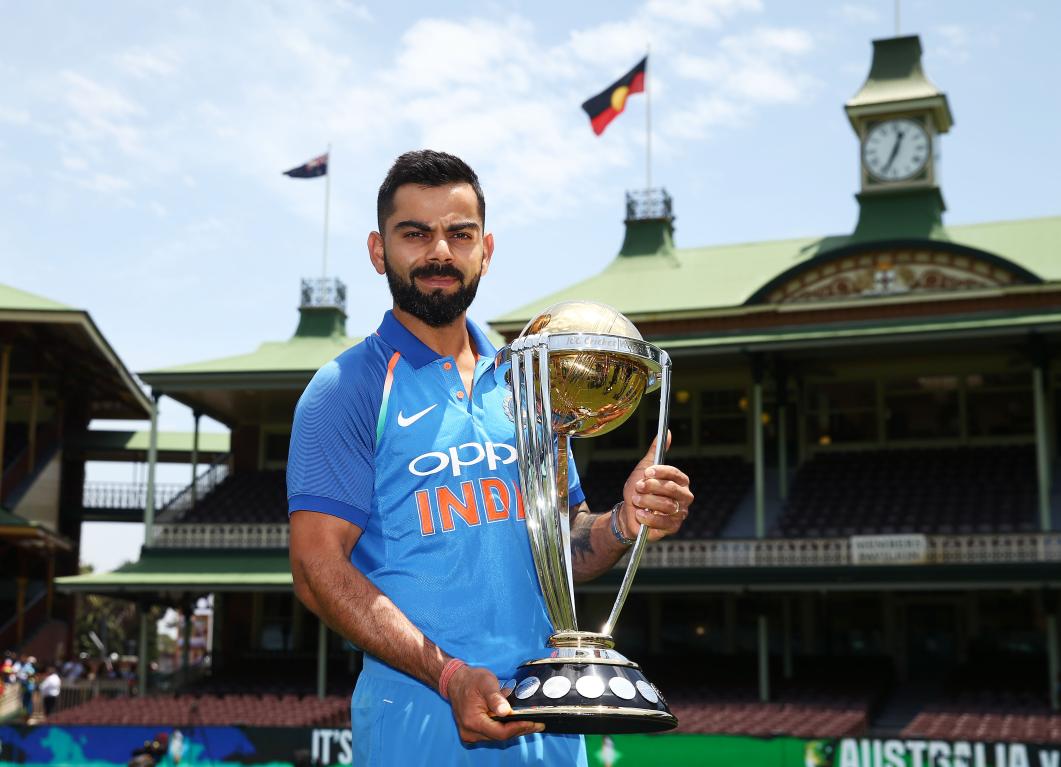
The ICC Men’s Cricket World Cup 2027 will be co-hosted by South Africa, Zimbabwe and Namibia, and will feature 14 teams. The tournament will follow a three-stage format that will eventually lead to the summit clash.
The first round will see the three bottom-placed sides of the 14 qualified teams duke it out in a round-robin Super Series, the winner of which will qualify for the next round.
The second round will feature 30 matches, with the remaining 12 sides split into two groups of six. Each team will play the others in their respective group in a round-robin format. The top three teams from each group, along with the next best-placed team across both groups, will advance to the Super 7 stage.
The Super 7 stage will feature 21 matches, with all seven teams playing another round-robin. The top four teams will qualify for the semi-finals, where the first-placed side will meet the fourth-placed side, and the second-placed team will take on the third-placed team.
This will eventually be followed by the grand finale of the 2027 ICC ODI World Cup.
However, the ODI World Cup isn’t the only tournament set for an overhaul. The 2028 ICC T20 World Cup will also see major changes.
The 2028 ICC T20 World Cup will be contested by 20 teams and co-hosted by Australia and New Zealand. The revised format has been designed to increase the number of sides in the second stage of the tournament, with the aim of expanding representation for emerging teams in the Super 10 stage.
The top two teams from the qualification rounds will make the cut for the Super 10 stage. The Super 10 will see two groups of five teams play a round-robin format within their respective groups.
The winners of each group will qualify directly for the semi-finals, while the remaining two spots will be decided by eliminators, with the second-placed sides of both groups facing the third-placed sides.
The winners of the semi-finals will progress to the grand finale, with no changes made to the semi-final or final stages themselves. With the new format set to take effect from the next editions of both tournaments, fans can expect a fuller festival of cricket to keep the cricket world gripped.